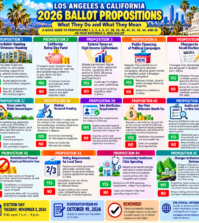
- California State Propositions
- Paramount has Aquired Warner Bros. it’s Official
- Metrolink Fare Increase Starts Today
- LA Dodgers Vs. Atlanta Braves
- Jefferson Vs. Fremont High School
- Los Angeles Heat Wave Forecast
- SoCal Coastal Weather Alert
- First Day of Fall September 22, 2026
- The 78th Emmy Awards 2026
- Catalina Island off the Coast of California set to eliminate Deer
LA approves 125 speed camera locations
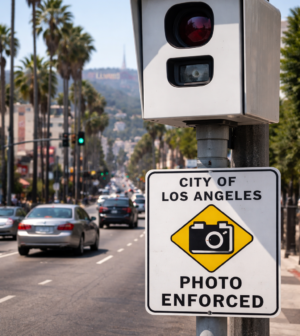
The city of Los Angeles has approved a major new traffic safety initiative that will introduce 125 speed cameras across high-risk areas. Los Angeles hasn’t widely used speed cameras since the early 2000s (around 2001–2002), making the current program a major policy shift after more than two decades without automated speed enforcement.
This decision, passed unanimously by the Los Angeles City Council, is part of a statewide pilot program designed to reduce speeding and prevent traffic-related deaths. The cameras will be strategically installed in locations known for frequent accidents, including busy intersections, school zones, and areas with heavy pedestrian activity throughout the city—from Downtown Los Angeles to the San Fernando Valley and South Los Angeles.
Under the new system, drivers who exceed the speed limit by more than 11 miles per hour will receive a ticket issued to the vehicle’s registered owner. Fines are expected to range from approximately $50 to $500, depending on how fast the driver was traveling. Unlike traditional enforcement, these violations will not involve a police stop but will instead rely on automated camera technology.
The rollout will begin in 2026, starting with installation and testing, followed by a public awareness campaign. A 60-day warning period will give drivers time to adjust before full enforcement begins later in the year. City officials say the program is necessary, citing hundreds of traffic fatalities in recent years and emphasizing the goal of improving street safety under Los Angeles’ Vision Zero plan.
While supporters believe the cameras will help save lives and reduce dangerous speeding, critics have raised concerns about privacy, program costs, and the potential financial impact on lower-income communities. Despite these debates, the initiative represents a significant shift in how Los Angeles approaches traffic enforcement, signaling a move toward technology-based solutions to improve public safety.
In the late 1990s and early 2000s, Los Angeles experimented with the use of speed cameras through a limited photo radar pilot program aimed at reducing speeding and improving traffic safety. The program placed automated cameras in select areas to capture images of speeding vehicles, with the intention of issuing citations without requiring direct police stops. At the time, city officials hoped this technology would provide a more efficient and consistent method of enforcing speed limits.
However, the pilot program faced significant legal and practical challenges that ultimately led to its downfall. One of the primary issues was that California law required authorities to identify the actual driver of the vehicle, not just the registered owner. Because speed cameras could only capture the vehicle and not reliably confirm who was driving, many tickets were contested and dismissed in court. This made enforcement inconsistent and weakened the effectiveness of the program.
As a result of these legal limitations and the difficulty in sustaining successful prosecutions, Los Angeles discontinued the use of speed cameras by around 2001–2002. The city removed most of the cameras and abandoned automated speed enforcement for more than two decades. This early attempt highlighted the importance of clear legal frameworks for traffic technology—lessons that have shaped the design of today’s modern speed camera programs.