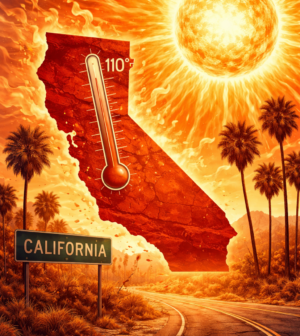
This heat wave has already led to the breaking of longstanding temperature records throughout California. In some areas, records that have stood for nearly a century are being surpassed. For example, Redwood City recently recorded a temperature of 90 degrees, marking its hottest March day since 1930. Other parts of the state, including San Francisco and surrounding Bay Area cities, are forecasted to approach or exceed 90 degrees as well—levels rarely, if ever, seen in March.
Looking ahead, meteorologists predict that this heat wave will not be short-lived. Instead, it is expected to persist for several days, potentially lasting through the end of the week and into the weekend. Forecasters describe it as a prolonged or “marathon” heat event, meaning that high temperatures will continue day after day with little relief. Inland areas are likely to remain in the 90s, while even coastal regions could see temperatures climb into the 80s and 90s. Additionally, nighttime temperatures are expected to stay elevated, limiting the body’s ability to recover from daytime heat.
The impacts of this extreme weather are already being felt across multiple sectors. Health officials are warning of increased risks of heat-related illnesses, particularly because residents are not yet acclimated to such high temperatures this early in the year. Authorities are encouraging people to stay hydrated, limit outdoor activities during peak heat hours, and make use of cooling centers where available. Environmental concerns are also emerging, as the excessive warmth is accelerating the melting of mountain snowpack, which could have long-term implications for California’s water supply. In some cases, ski resorts have been forced to close early due to a lack of snow.
Beyond health and environmental concerns, the heat wave is also disrupting everyday activities and events. For instance, certain outdoor sports schedules, including Major League Baseball spring training games, have been adjusted to account for the extreme temperatures. These disruptions highlight the broader societal effects that such unusual weather patterns can produce.
The primary cause of this heat wave is a strong high-pressure system, often referred to as a “heat dome,” which is currently settled over the western United States. This system traps hot air in place, preventing cooler air from circulating into the region. Combined with a lack of moderating ocean breezes, especially in inland areas, the result is sustained and intensifying heat.
In summary, this ongoing heat wave is both historic and concerning due to its early arrival, record-breaking temperatures, and wide-ranging impacts. It serves as a reminder of the increasing frequency of extreme weather events and raises important questions about long-term climate trends. As the heat continues over the coming days, residents across California are being urged to take precautions and remain aware of the risks associated with prolonged exposure to high temperatures.